Every day, households across our region throw away food scraps that could be put to much better use. Instead of ending up in landfills, these materials can be transformed into nutrient-rich compost that benefits gardens, landscaping, and the environment. Composting is one of the simplest and most impactful ways individuals can reduce waste and support sustainability at home.
What Is Composting?
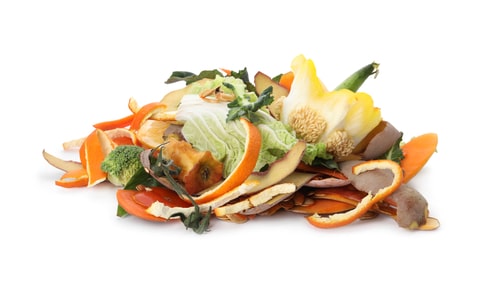
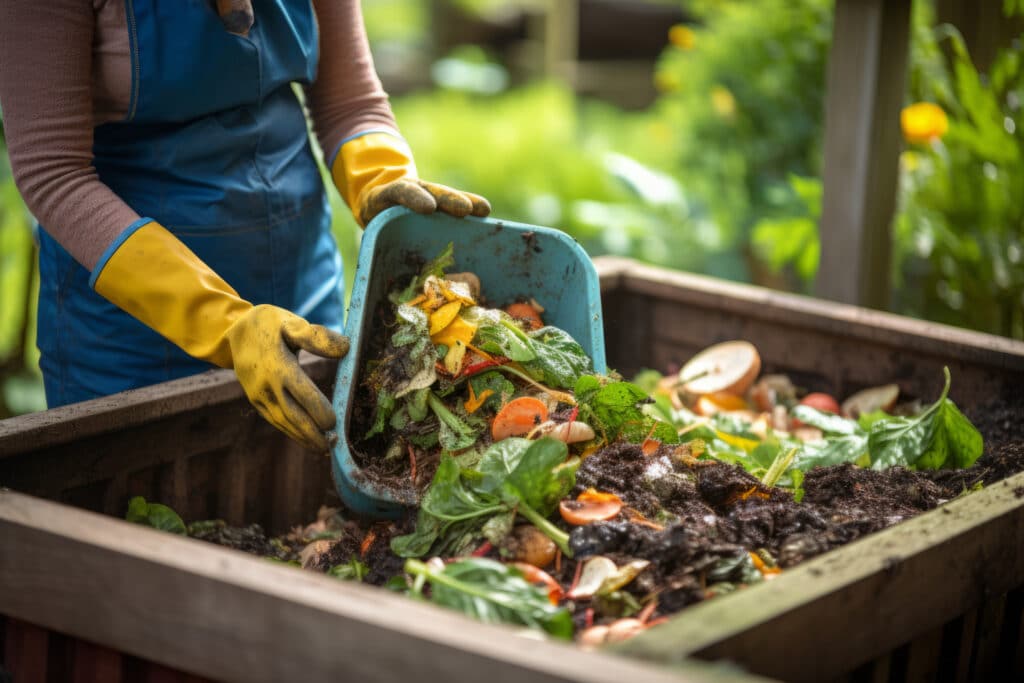
Composting is the natural process of recycling organic materials—like fruit and vegetable scraps, coffee grounds, and yard waste—into a dark, crumbly soil amendment known as compost. This process happens when microorganisms break down organic matter over time, creating a valuable product that enriches soil and helps plants thrive.
Why Compost?
Composting offers a wide range of benefits:
- Reduces Waste: Food scraps and yard waste make up a significant portion of what we throw away. Composting keeps these materials out of landfills.
- Cuts Greenhouse Gas Emissions: Organic waste in landfills produces methane, a potent greenhouse gas. Composting reduces these emissions.
- Improves Soil Health: Compost adds nutrients to soil, improves structure, and helps retain moisture.
- Supports Sustainable Gardening: Using compost reduces the need for chemical fertilizers.
What Can You Compost?
A good compost pile needs a balance of “greens” (nitrogen-rich materials) and “browns” (carbon-rich materials).
Greens (Nitrogen-rich):
- Fruit and vegetable scraps
- Coffee grounds and filters
- Tea bags (non-plastic)
- Grass clippings
Browns (Carbon-rich):
- Dry leaves
- Twigs and small branches
- Shredded paper and cardboard
- Straw
Avoid composting:
- Meat, dairy, and oily foods (can attract pests)
- Pet waste
- Diseased plants
- Plastics or synthetic materials
For a more detailed, printable list of what to include (and what to avoid), check out our Composting Guide:
How to Start Composting at Home
Getting started is easier than you might think:
- Choose a Method:
- Backyard composting (pile or bin)
- Compost tumbler for faster results
- Indoor composting (such as vermicomposting with worms)
- Pick a Location:
Choose a dry, shady spot with good drainage. - Build Your Pile:
Alternate layers of greens and browns. A good rule of thumb is about 2–3 parts browns to 1 part greens. - Maintain It:
- Turn or mix your pile regularly to add oxygen
- Keep it moist (like a damp sponge, not soaking wet)
- Be Patient:
Compost can take a few months to a year, depending on conditions.
Composting in Our Communities
Many communities are expanding access to composting through drop-off sites, curbside programs, and educational initiatives. Check local resources to see what options are available in your area. Even small efforts—like composting kitchen scraps at home—make a meaningful difference.
Small Actions, Big Impact
Composting is a simple habit that turns everyday waste into something valuable. By taking this step, you’re not only reducing what goes to the landfill—you’re helping build healthier soils, cleaner communities, and a more sustainable future.
Ready to get started? Begin with your next banana peel or coffee filter—because every scrap counts.